
Saint Claret College, Ziro
History of SCCZ
Learn, lead and serve with purpose at SCCZ.
Our story
From a Long-Cherished Dream to a Grade 'A' College
A degree college at Ziro had been a long-cherished dream of the people of Lower Subansiri district, especially the Ziro valley. In 2001, a delegation from Ziro approached the Catholic Diocese of Tezpur with the request, and the Claretian Missionaries responded to this genuine and urgent need.
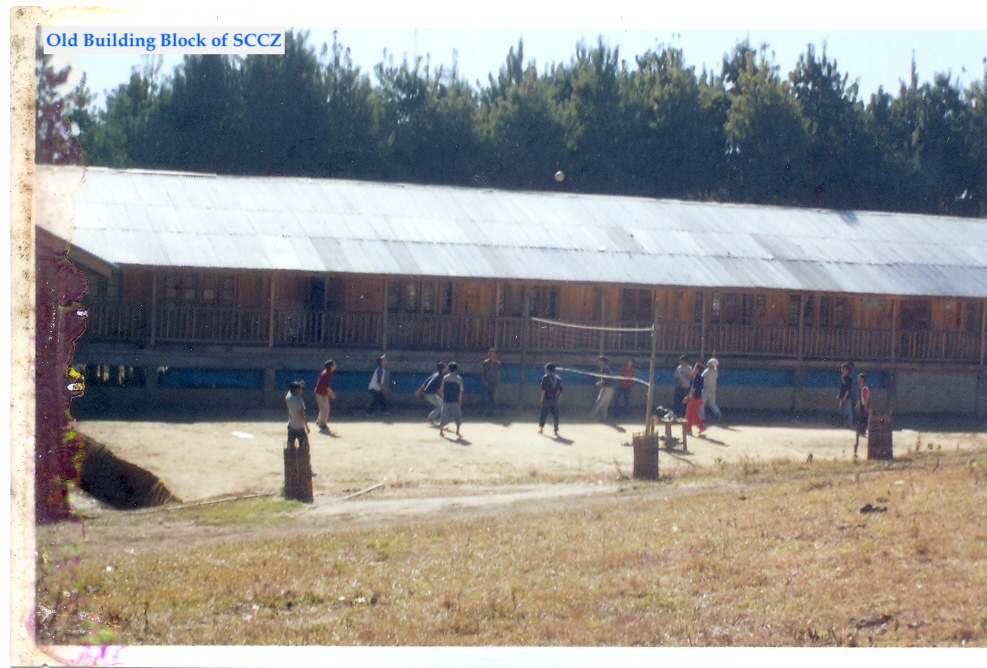
A temporary wooden structure with an administrative block, five classrooms and an auditorium was set up in the months following the foundation stone-laying. With due permission from the Department of Higher Education, Government of Arunachal Pradesh, and Arunachal University (now Rajiv Gandhi University), Saint Claret College was inaugurated, and today SCCZ has 38 faculty members and 976 students, including 230 hostellers on campus.
Over the years, several clubs, cells and departmental associations have been formed on campus. With its dreams for a healthy mixture of traditional and innovative educational endeavours, SCCZ hopes to realize the educational dreams of the people of Arunachal Pradesh in particular and Northeast India in general.
Milestones
Journey Through the Years
2001
A Ziro delegation approaches the Catholic Diocese of Tezpur seeking a degree college; Claretian Missionaries respond to the call.
2002
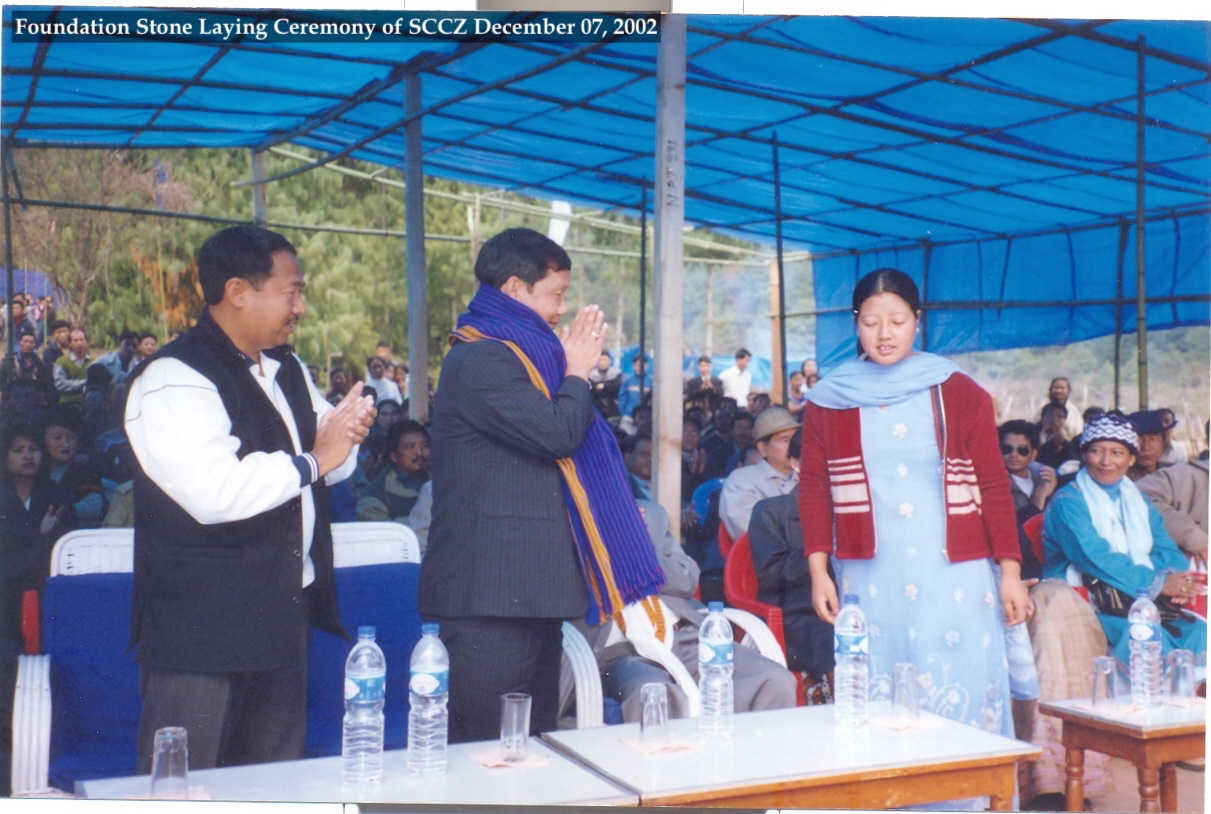
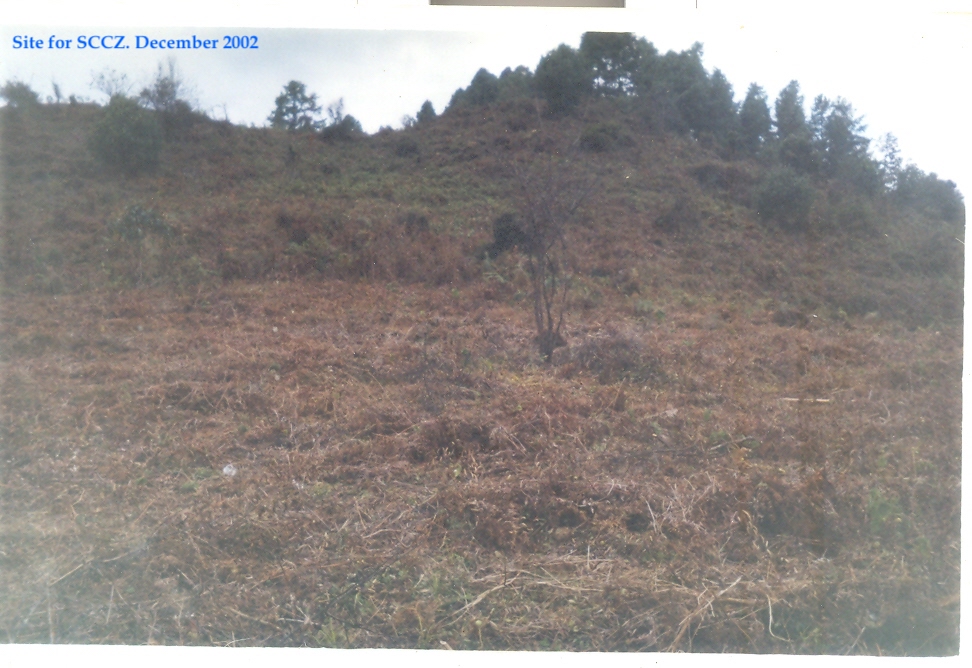
Foundation stone laid on December 7 by Shri Takam Sanjoy, Minister for Education, at a 20-acre site in Salaya.
2003
College inaugurated on August 11 by Shri Padi Richo, MLA — 16 students enrol in B.A. Economics, English, History & Political Science.
2004
Anthropology, Education & Geography added; PESEC launched for community training and extension programmes.
2005
SCCZ becomes an IGNOU study centre; the Franciscan Clarist Congregation (FCC) sisters join to run the women's hostel.
2006
The 100-bedded Saint Claret Hostel for women becomes fully functional.
2008
A permanent, purpose-built college building is inaugurated.
2012
Chief Minister Shri Nabam Tuki opens the FCC convent and Claretine Villa, a second women's hostel.
2013
Mass Communication launched; SCCZ releases its first research journal, InterViews (ISSN: 2349-400X).
2015
The B.Com programme begins.
2016
On December 2, SCCZ becomes the first HEI in Arunachal Pradesh to earn NAAC Grade 'A' accreditation.
2017-19
SCCZ wins the Chief Minister's Running Trophy for Best Debate Team for three consecutive years.
2020-21
Awarded the One District One Green Champion Award by the Mahatma Gandhi National Council of Rural Education.
Leadership over the years
Claretians Who Have Served at SCCZ
Dr. Fr. Paulson Veliyannoor, CMF, MSc, PhD
Principal: 2003-2005, 2013-2016 · Vice Principal: 2012-2013Dr. Fr. Sabu George, CMF, MBA, MPhil, PhD
Principal: 2005-2010Dr. Fr. Benoy Joseph, CMF, MA, MPhil, PhD
Principal: 2010-2013 · Vice Principal: 2005-2010Fr. Jijo K. Paul, CMF, MA, B.Ed.
Vice Principal: 2010-2012Dr. Fr. Allwyn Mendoz, CMF, M.Ed., PhD
Principal: 2017-Current · Vice Principal, Academics: 2013-2016Fr. Walter Naveen, CMF
Vice Principal, Administration: 2013-2020Dr. Fr. Sekar I, CMF
Vice Principal, Research & Extension: 2016Fr. George Nelliyaniyil, CMF, MSc, MA
Vice Principal, Academics: 2017-2019Fr. Thomas Kollakompil, CMF
Administrator: 2017-CurrentFr. Arnest Kharmawlong, CMF, MA, B.Ed.
Vice Principal, Co-ordinator, Co & Extra-Curricular Activities: 2022-CurrentThe founding society
Claretian Missionaries
Saint Claret College is owned and served by the Claretian Formation Association of North East India, a registered charitable society (S/R CLAONEI-531/88 of 1988) of the North East Independent Delegation of Claretian Missionaries.
The Order of Claretian Missionaries — also called the Missionary Sons of the Immaculate Heart of Mary (Cordis Mariae Filii) — was founded by Saint Anthony Mary Claret on July 16, 1849 in Spain. Fired by love for God and humanity, Claretians serve the pastoral, spiritual, socio-cultural and educational needs of people, especially those on the margins of society.
In India, Claretians serve the poor and marginalized through pastoral and spiritual care, formal and non-formal education, and care for the leprosy-affected, drug addicts, AIDS patients, ex-prisoners, the blind, the differentially abled, tribals and dalits.